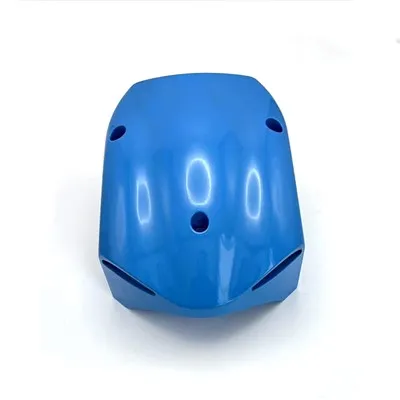
Scratches on a machined aluminum housing can be a common yet frustrating issue, especially for those in industries that rely on the aesthetic appeal and functionality of these components. As a seasoned machined aluminum housing supplier, I've encountered various scenarios where scratches pose a challenge. In this blog post, I'll share some effective strategies on how to deal with scratches on a machined aluminum housing.
Understanding the Types of Scratches
Before diving into the solutions, it's crucial to understand the different types of scratches that can occur on a machined aluminum housing. Superficial scratches are those that only affect the outermost layer of the aluminum surface. These scratches are usually light and can often be removed without causing significant damage to the housing. On the other hand, deep scratches penetrate deeper into the aluminum, potentially affecting the structural integrity and appearance of the housing.


Prevention: The Best Approach
As the old saying goes, prevention is better than cure. When it comes to scratches on machined aluminum housings, taking preventive measures can save a lot of time and effort. During the machining process, proper handling and storage of the aluminum pieces are essential. Use soft materials such as felt or rubber pads to separate the parts and prevent them from rubbing against each other. Additionally, ensure that the work area is clean and free of debris that could scratch the surface of the aluminum.
When transporting the machined aluminum housings, use appropriate packaging materials. Foam inserts, bubble wrap, or custom-made protective containers can provide an extra layer of protection against scratches. Label the packages clearly to indicate that they contain delicate aluminum parts, and handle them with care during transit.
Dealing with Superficial Scratches
If you notice superficial scratches on a machined aluminum housing, there are several methods you can use to remove them. One of the simplest and most cost - effective ways is to use a fine - grit sandpaper. Start with a relatively coarse grit, such as 400 - grit, and gently sand the scratched area in a circular motion. Be careful not to apply too much pressure, as this could cause further damage to the surface.
After sanding with the 400 - grit sandpaper, gradually move to finer grits, such as 800 - grit and 1000 - grit. Each successive sanding should be done with a lighter touch, and the sanding direction should be perpendicular to the previous one to ensure a smooth and even finish. Once you have sanded the area with the finest grit, use a buffing compound and a soft cloth to polish the surface. This will help to restore the shine and smoothness of the aluminum.
Another option for removing superficial scratches is to use a metal polish. There are many commercial metal polishes available on the market that are specifically designed for aluminum. Apply a small amount of the polish to a soft cloth and gently rub it into the scratched area in a circular motion. Keep rubbing until the scratch disappears. After that, wipe off the excess polish with a clean cloth and buff the surface to a shine.
Handling Deep Scratches
Deep scratches on a machined aluminum housing are more challenging to deal with. In some cases, it may be necessary to repair the scratch by filling it with a suitable material. One option is to use an aluminum filler. These fillers are designed to bond with aluminum and can be shaped and sanded to match the surrounding surface.
Before applying the filler, clean the scratched area thoroughly to remove any dirt, oil, or debris. Use a degreaser and a clean cloth to ensure that the surface is completely clean. Then, follow the manufacturer's instructions to mix and apply the filler. Once the filler has dried, sand it down using a fine - grit sandpaper to make it level with the surrounding surface.
In more severe cases, where the deep scratch has affected the structural integrity of the housing, it may be necessary to replace the damaged part. This is especially true if the housing is used in applications where the structural strength is crucial, such as in automotive or aerospace industries.
Post - Treatment and Finishing
After dealing with the scratches, it's important to apply a protective finish to the machined aluminum housing. This can help to prevent future scratches and also enhance the appearance of the housing. Anodizing is a popular finishing process for aluminum. It creates a hard, protective oxide layer on the surface of the aluminum, which can resist scratches and corrosion.
Powder coating is another option for finishing machined aluminum housings. Powder coating provides a durable and attractive finish that can also protect the aluminum from scratches. The powder is electrostatically applied to the housing and then cured in an oven to form a hard, smooth surface.
Our Other Products
Here at our company, we also offer a wide range of other CNC - machined products. For instance, we have the CNC Machining Stainless Steel Metal Connector, which is precision - crafted for various industrial applications. Our Aluminum Alloy CNC Machining Bracket is another high - quality product that is known for its strength and durability. And if you're looking for general CNC Milling and Turning Parts, we have a diverse selection to meet your needs.
Contact for Procurement
If you're in the market for machined aluminum housings or any of our other CNC - machined products, we'd love to hear from you. Whether you have questions about scratch prevention, treatment, or our product range, we're here to assist you with your procurement needs. Reach out to us for professional advice and competitive quotes.
References
- "Aluminum: Properties and Physical Metallurgy" by John E. Hatch
- "CNC Machining Handbook" by Mark Monroe
- "Finishing and Coating of Aluminum" by various authors (published by a leading industry association)